Data management
made effortless
Enjoy the freedom to do more with Maia on your side.




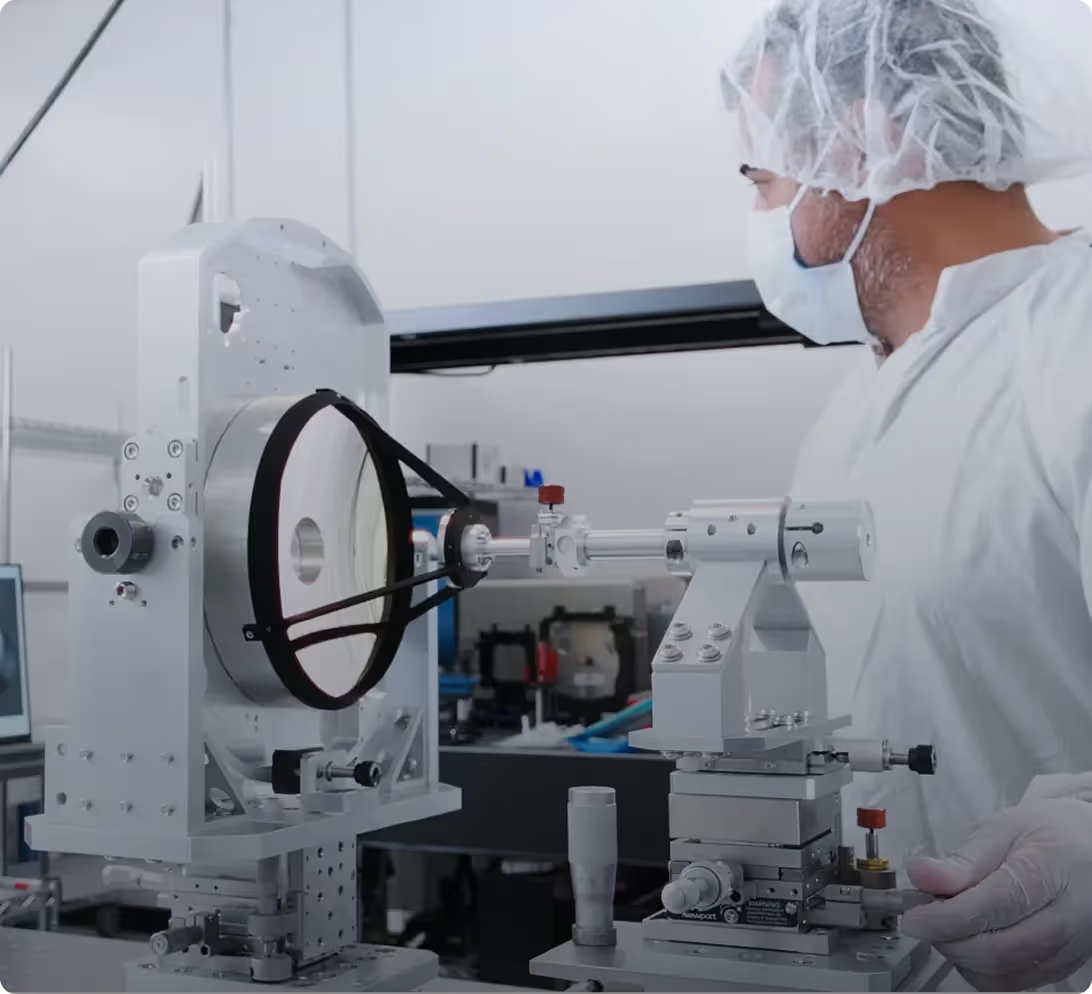
Every day lost in clinical trial data processing means delayed treatments for patients who need it most. Precision Medicine Group (PMG) initially used Matillion to centralize and harmonize siloed data from over 20 acquisitions — building the trusted data foundation their clinical, finance, and operations teams needed.
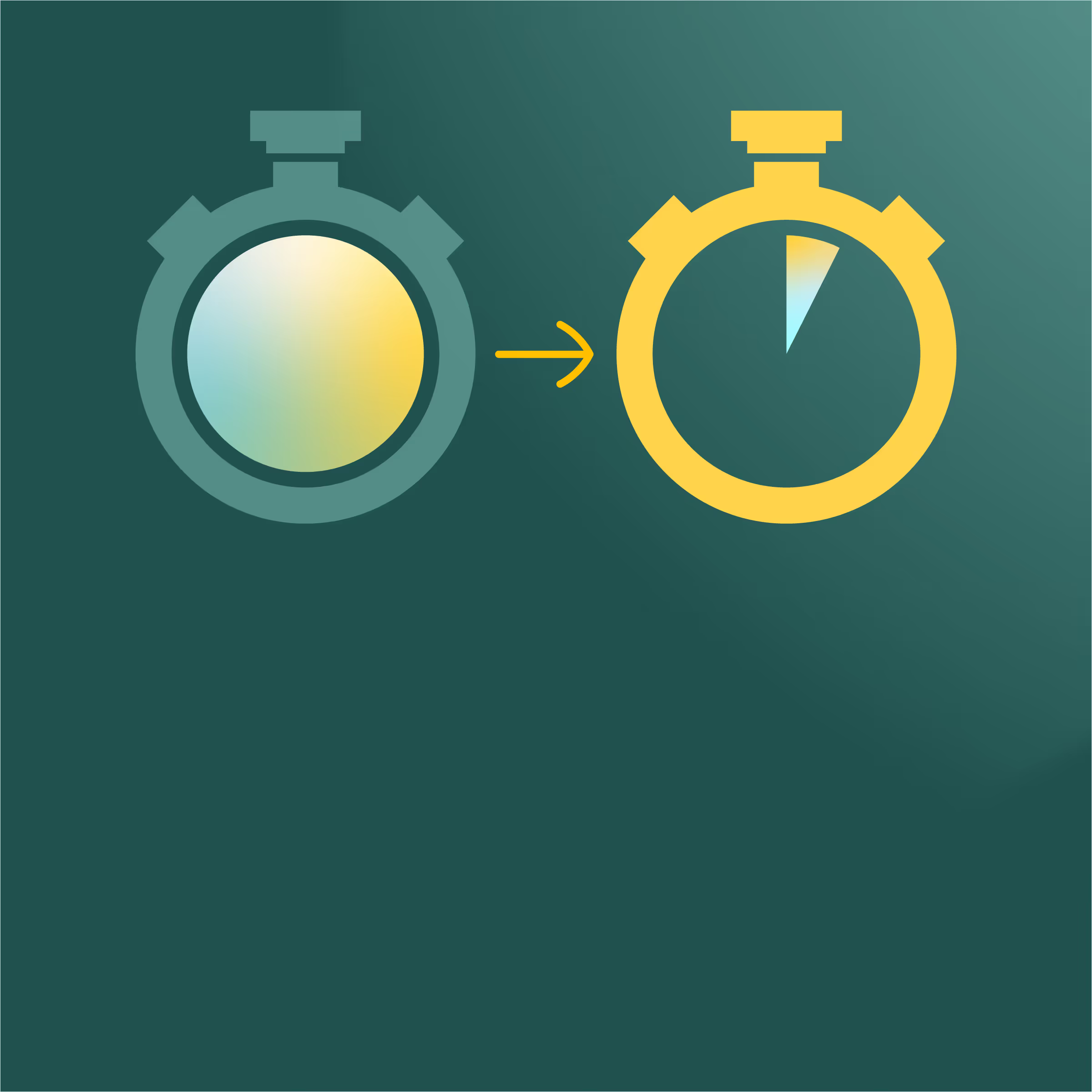
But their lean engineering team still faced a critical roadblock: manual workflows for pipeline maintenance and 40,000+ daily schema variations were consuming bandwidth and creating downstream risk for patients. By migrating to Maia, the AI Data Automation platform, PMG now automates repetitive engineering tasks, cut pipeline understanding from two days to 30 minutes, and is accelerating delivery of trusted data for drug development.
PMG’s mission is clear: deliver life-changing therapies for oncology and rare disease patients. Operating across more than 50 locations globally, from clinical trial management and lab operations to commercial delivery, PMG runs as a 24/7 enterprise where the speed and accuracy of data directly determines how fast drugs reach patients.
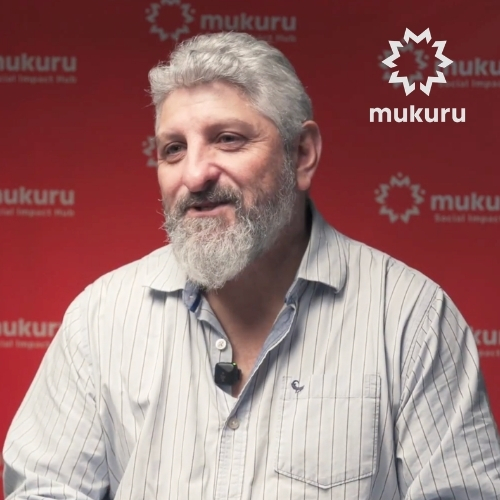
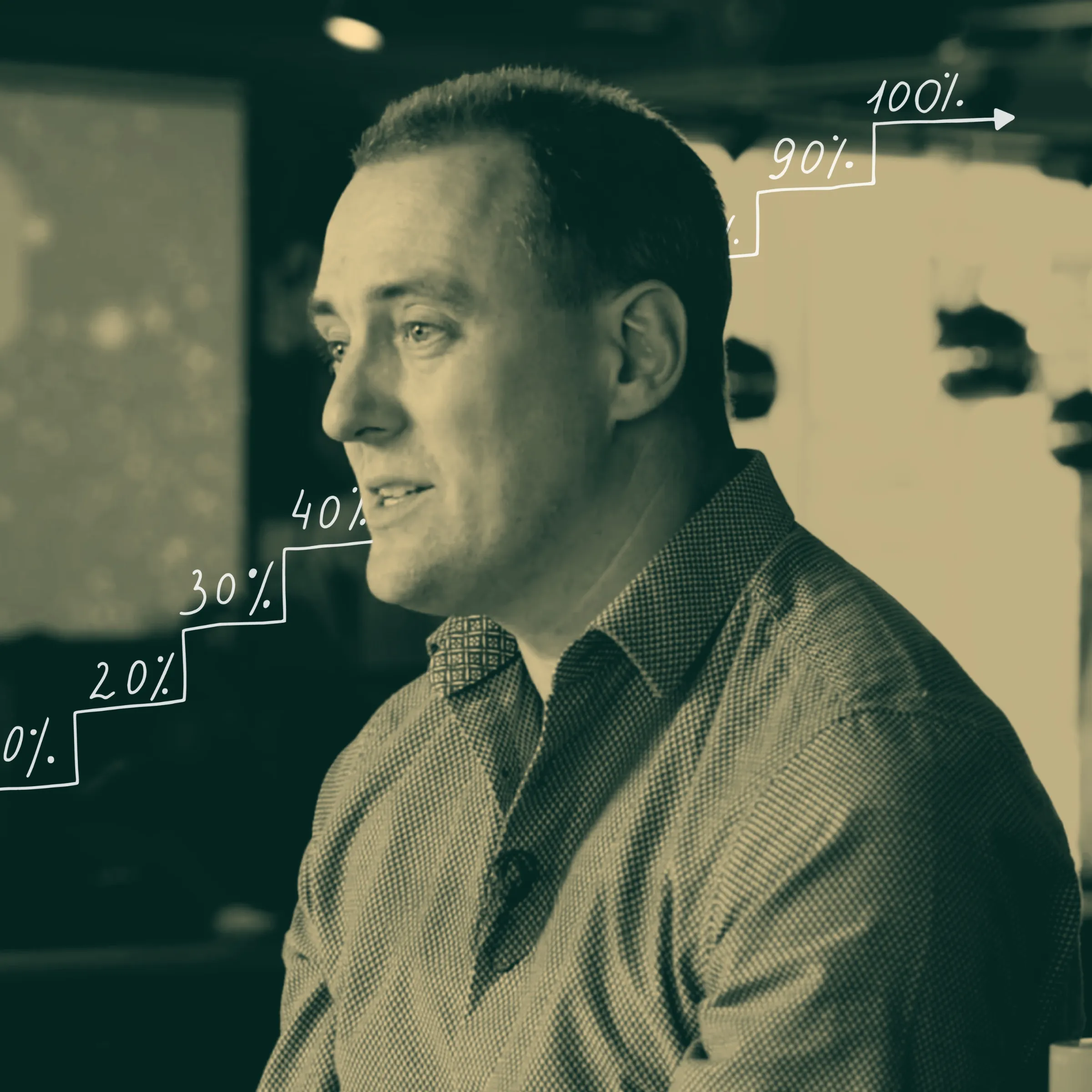
At the center of this mission is PMG’s data team, led by Roberto Lara, VP of Digital Transformation and Analytics, and Ammad Baig, Director of Data and AI Services. They know firsthand that data speed directly accelerates drug delivery.
"Our ability to generate accurate and trustworthy data is meaningful — not just for our internal resources or for our corporate diligence perspective, but also because the results that are being generated are being used to drive approvals for drugs and the new compounds that are being then offered to patients that are looking for cures.”
Roberto Lara, VP of Digital Transformation and Analytics
PMG has grown rapidly, acquiring over 20 companies since 2011. Each brought a different data strategy, system of record, and ways of mapping clinical data, a serious vulnerability in a regulated environment where data must be trustworthy enough to support FDA submissions.
"One of our biggest challenges was the need for standardized, structured, and harmonized data – data we could ultimately leverage and, most importantly, trust.”
Roberto Lara, VP of Digital Transformation and Analytics
In 2021, PMG committed to a major shift: centralize all core systems into a unified data lake with comprehensive governance, from clinical trials to commercial delivery.

Despite that success, PMG still faced a deeper problem: life sciences vendors have highly specific data provisioning needs — and constantly shifting underlying structures. Vendors don't communicate schema changes downstream, meaning pipelines could silently break without warning.
"We have to be nimble and flexible to adapt quickly, because the downstream effect is too high if we're impacting potentially a patient at the end of the line."
Ammad Baig, Director of Data and AI Services
For PMG, 40,000 daily schema variations aren't a technical inconvenience — each is a potential break in the data chain connecting clinical trials to drug development decisions. Delays in data mean delays in patient care.
The lean team was stretched thin: too much time on pipeline maintenance and schema fixes, not enough on the strategic work that would move PMG's mission forward. As Roberto puts it, "There is no AI strategy without a data strategy."
Stuck fighting schema drift, the team couldn't build the trusted, governed data layer required to make AI meaningful for drug development. PMG was ready for the next evolution: Maia.
Maia, Matillion’s AI Data Automation platform, became the catalyst for accelerating PMG’s mission.
Using Maia’s Context Engine, PMG captured its engineering standards - naming conventions, SOPs, quality checks, and pipeline patterns - so Maia can generate workflows exactly the way their engineers would, only faster and with consistent governance baked in. Every pipeline aligns with PMG’s clinical and regulatory requirements from day one, reducing the manual reviews that once slowed delivery.
The impact on schema drift was immediate. By reading metadata and adjusting or regenerating pipelines based on PMG's rules, Maia resolves in minutes what once took hours — and documents every change automatically before it reaches the team. Ammad puts it plainly:
"METL was a very strong product, but Maia is the next step. We're going towards an agentic AI framework that will allow us to do multiple tasks at the same time."
Ammad Baig, Director of Data and AI Services
For PMG, that shift from batch to real-time isn't incremental — it's transformational.
.jpg)
PMG is still early in its journey with Maia, but the benefits are already being felt on the engineering floor:
The evolution to Maia is driving PMG toward a new operating model: moving from batch processing to near real-time data processing, which allows stakeholders to make decisions quicker and better serve patients globally.
"Our ability to generate accurate and trustworthy data is meaningful because the results that are being generated – leveraging Maia – are being used to drive approvals for drugs and the new compounds that are being then offered to patients looking for cures.”
Roberto Lara, VP of Digital Transformation and Analytics

.jpg)
.jpg)



.png)


.png)







.png)






.png)




.png)


%20(1).png)
.png)


.png)



.png)

















.webp)


















.jpg)











.png)
.png)
.jpeg)
.png)
.png)
.jpeg)
.png)

.png)
.png)
.png)

.avif)

.jpg)

.jpg)
.png)
.jpeg)