
Data management
made effortless
Enjoy the freedom to do more with Maia on your side.





A $500K inventory variance hid in plain sight for years—processed daily by Nature's Touch's ERP and MRP systems, but never flagged because enterprise platforms can't audit the spreadsheet formulas that feed them. Maia's AI Data Automation platform found it by reconstructing the logic of a 72-page Excel model, validating conversions against historical data, and surfacing the discrepancy that manual audits had missed.
The discovery didn't just save money—it revealed the data foundation gaps that were blocking the company's AI roadmap.
Across six geographic locations, from their Montréal HQ to partners in Peru, the company manages 30 different crops. However, they operate in a unique supply chain position: the "fresh market" always gets the first pick of every harvest. Nature’s Touch processes what remains, meaning quantity, quality, and timing constantly fluctuate.
In this environment, unpredictability is built into the business model. As CEO John Tentomas puts it,
“Scarcity and volatility are the names of the game.”
When margins are thin and supply shifts daily, accurate, real-time visibility into inventory and supply isn’t a luxury — it determines whether the company protects profit or erodes it.
To operate profitably in a volatile, low-margin environment, Nature’s Touch needed precise, reliable reporting. But achieving that level required an enormous amount of manual work. Teams were constantly reconciling numbers, updating models, and tracking supply shifts across systems.
At the center of it all was a 72-page Excel worksheet — a legacy tool packed with complex logic and highly vulnerable to human error. It worked, but it demanded time, oversight, and constant checking. In a business where small inaccuracies compound quickly, that level of manual dependency created risk.
John Tentomas saw a bigger opportunity. AI, he believed, could help the company move beyond reactive spreadsheet management — but only if the underlying data foundation was sound.
“I cannot avoid trying to understand where AI fits in the future of Nature’s Touch,” he says.
Turning that vision into reality required the partnership of CTO Jonathon Sill. While Tentomas set the strategic North Star, Sill focused on bridging the gap between high-level vision and technical execution. This collaborative leadership led them to Maia, the industry’s first AI Data Automation platform.
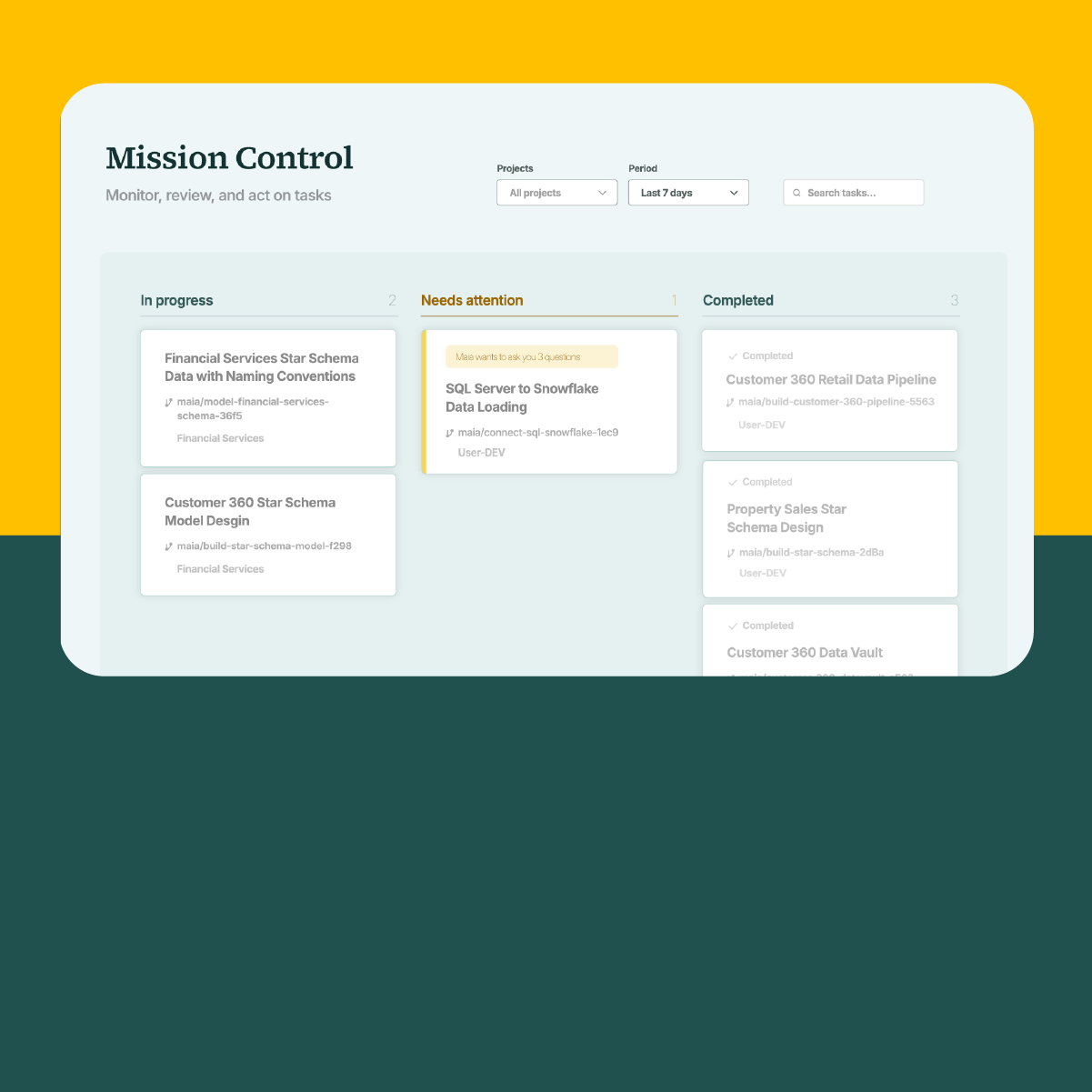
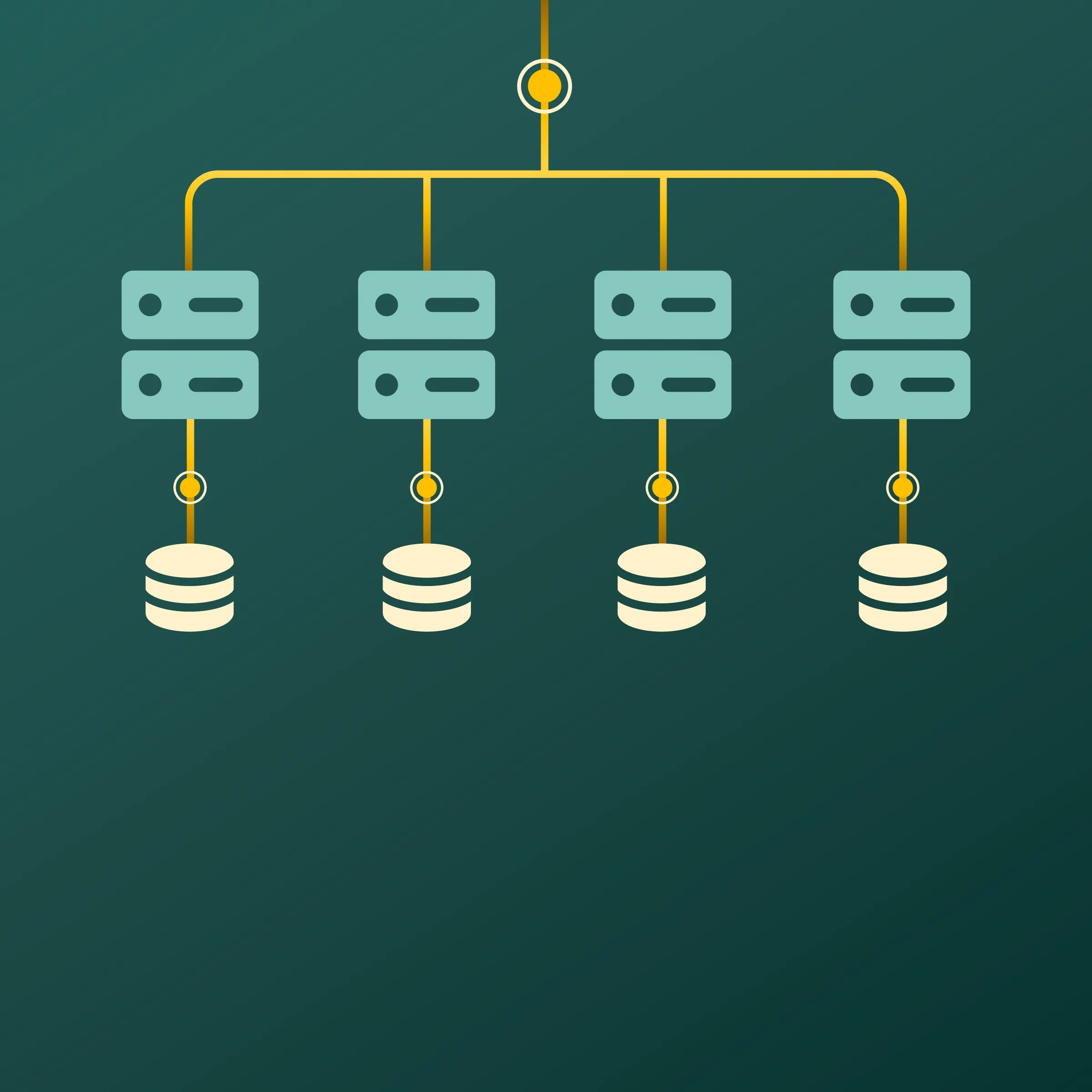
By leveraging expert AI agents (Maia Team), organizational intelligence (Maia Context Engine), and enterprise-grade infrastructure (Maia Foundation), the team was able to reduce dependency on spreadsheets and get real-time visibility into shifting supply conditions.
In a high-volume, low-margin business, small calculation errors can quietly compound into significant financial gaps that ERP and MRP systems often fail to flag.
By identifying and correcting the issue at its source, Nature’s Touch eliminated an ongoing financial gap and reduced compliance and reconciliation risk moving forward.
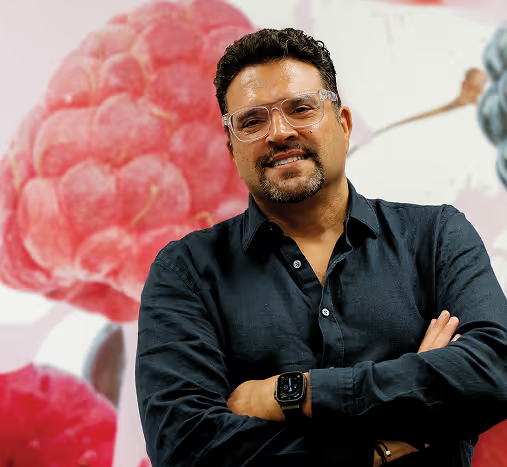
John’s vision for the next phase of Maia focuses on tailoring data access to every individual in the company. He argues that a "universal" data structure never works; instead, he aims to use Maia to create unique data "hemispheres" for every role – from finance to operations.
For example, Nature’s Touch is looking to deploy Maia as an intelligent monitoring system. In this model, Maia Team agents act as “country of origin specialists” that autonomously scan for regional risks - such as weather patterns or supply disruptions.
This allows the team to proactively shift strategies in real time, rather than reacting days later to a missed shipment.
This democratization isn't just about efficiency, it's about AI readiness. As Nature's Touch explores AI-driven forecasting and demand planning, having clean, governed, instantly-accessible data will be their competitive advantage.
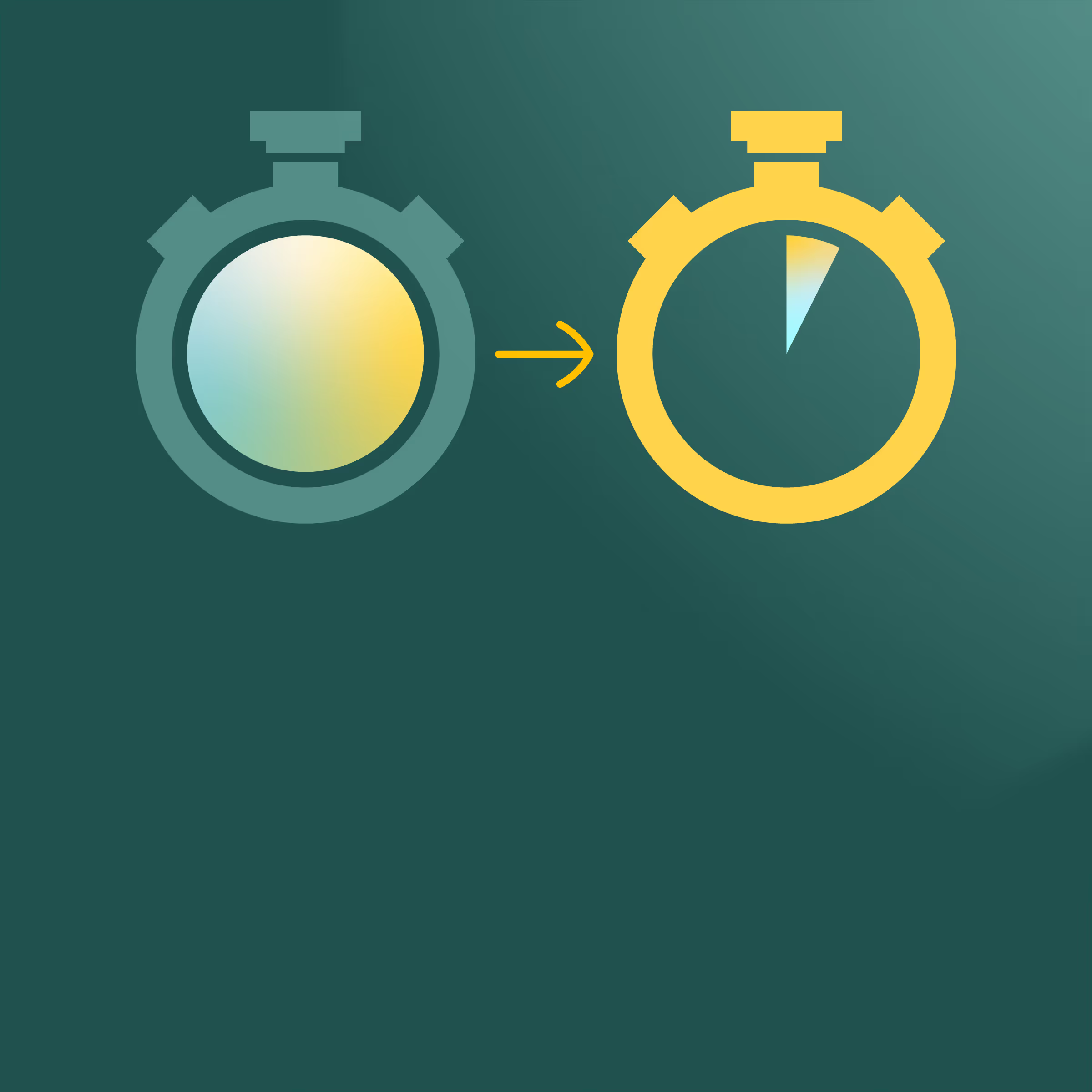
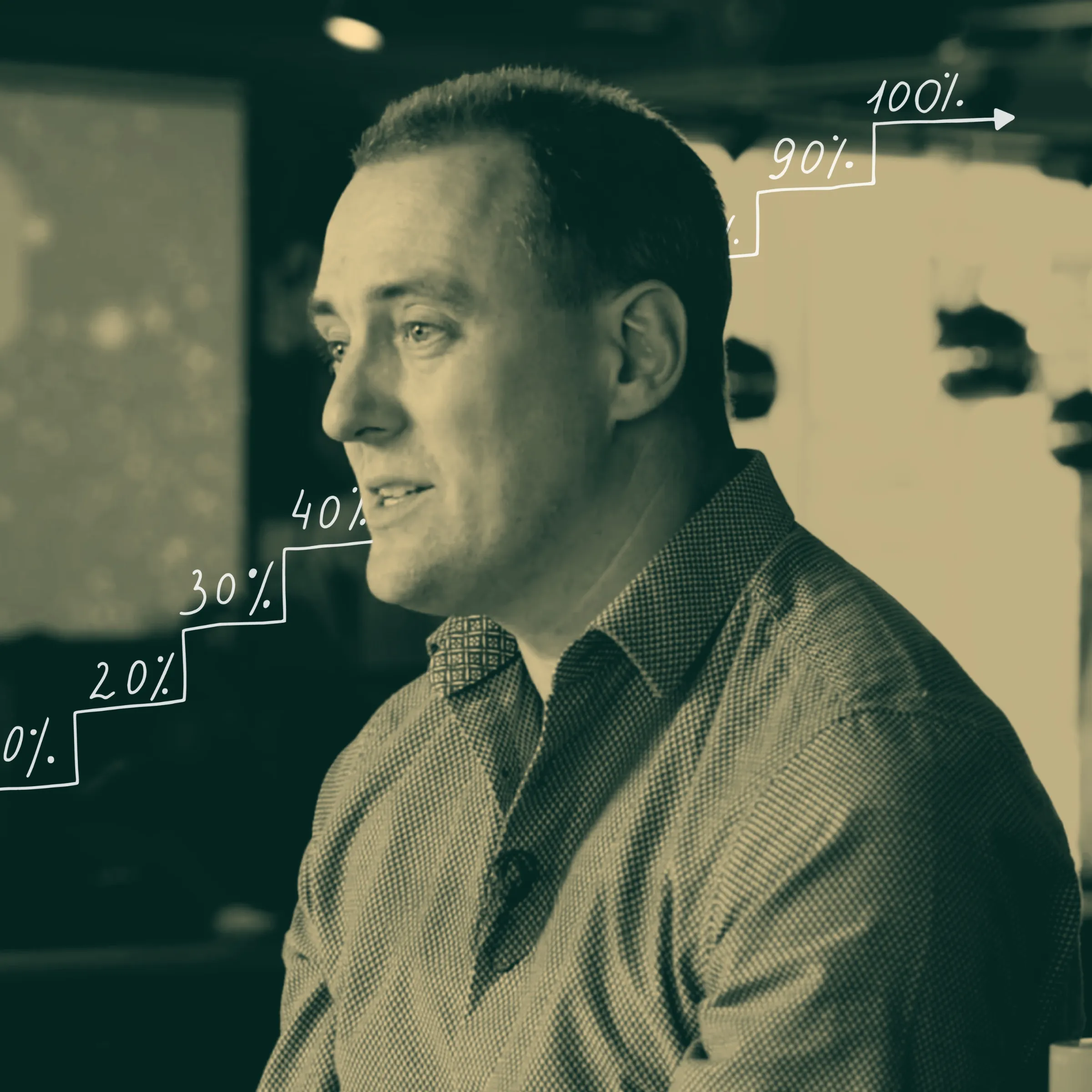
This democratization will allow non-technical employees to easily access and manipulate unstructured data, solving daily problems without constant IT intervention. The ultimate goal is to move more workflows from two days to ten minutes.

.jpg)
.jpg)

.png)
.png)






.png)







.png)




.png)


%20(1).png)
.png)


.png)




.png)













.webp)



















.jpg)









.png)
.png)
.jpeg)
.png)
.png)
.jpeg)
.png)
.png)
.png)
.png)

.avif)

.jpg)

.jpg)
.png)
.jpeg)