
Data management
made effortless
Enjoy the freedom to do more with Maia on your side.




Balfour Beatty's 40-person data team was spending 80% of their time on routine pipeline maintenance: keeping a 1,300-pipeline Informatica estate alive while the work that actually mattered, predicting site accidents and protecting project margins, sat on the backlog. Manual reverse-engineering of legacy XML logic took a senior engineer a full week per pipeline. At that pace, retirement was effectively impossible.
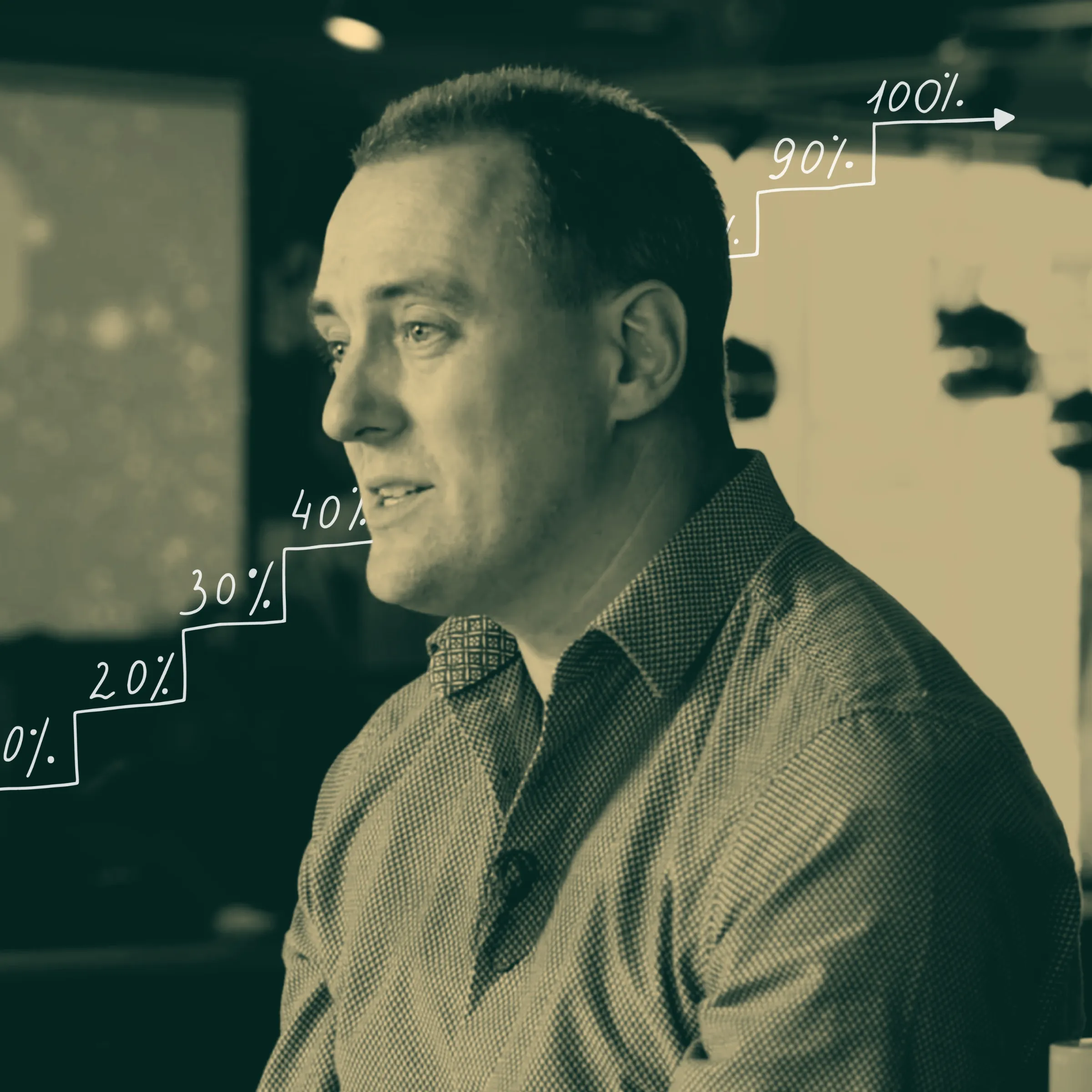
With Maia, that same analysis takes six minutes. Pipeline delivery that once required weeks of handoffs now runs in hours. By automating the routine, Mark Hume, Head of Data, is flipping the 80/20 ratio — freeing the team to move from retrospective reporting to the real-time, predictive data foundation that keeps people safe on some of the world's most complex construction sites.
For Balfour Beatty, data isn't a single stream; it’s a hierarchy of critical views that powers their entire business. At the Group level, leadership needs KPI metrics across functional domains. At the Project level, teams need to know exactly what is happening today: weather conditions, supplier deliveries, and equipment arrivals. Finally, External Customers require real-time assurance that massive builds are on time and on budget.
When the data team is stuck in a manual backlog, these views become retrospective rather than predictive.
"We have a business that has an insatiable desire to consume data", says Mark Hume, Head of Data at Balfour Beatty. "At the moment, [the team] is seen as a blocker because there is a backlog... we need to get the freedom to do more and free up our time to be more productive".
Without the capacity to transform raw system data into usable business domains, the "insatiable desire" for insights was resulting in a "Black Box" environment. Strategic work, like using data to predict and prevent site accidents, was being sidelined by the sheer volume of routine requests.
This is what led Balfour Beatty to Maia.
Mark identified three high-stakes use-cases for Maia to prove that AI-driven automation could move the needle on business strategy, not just technical efficiency.
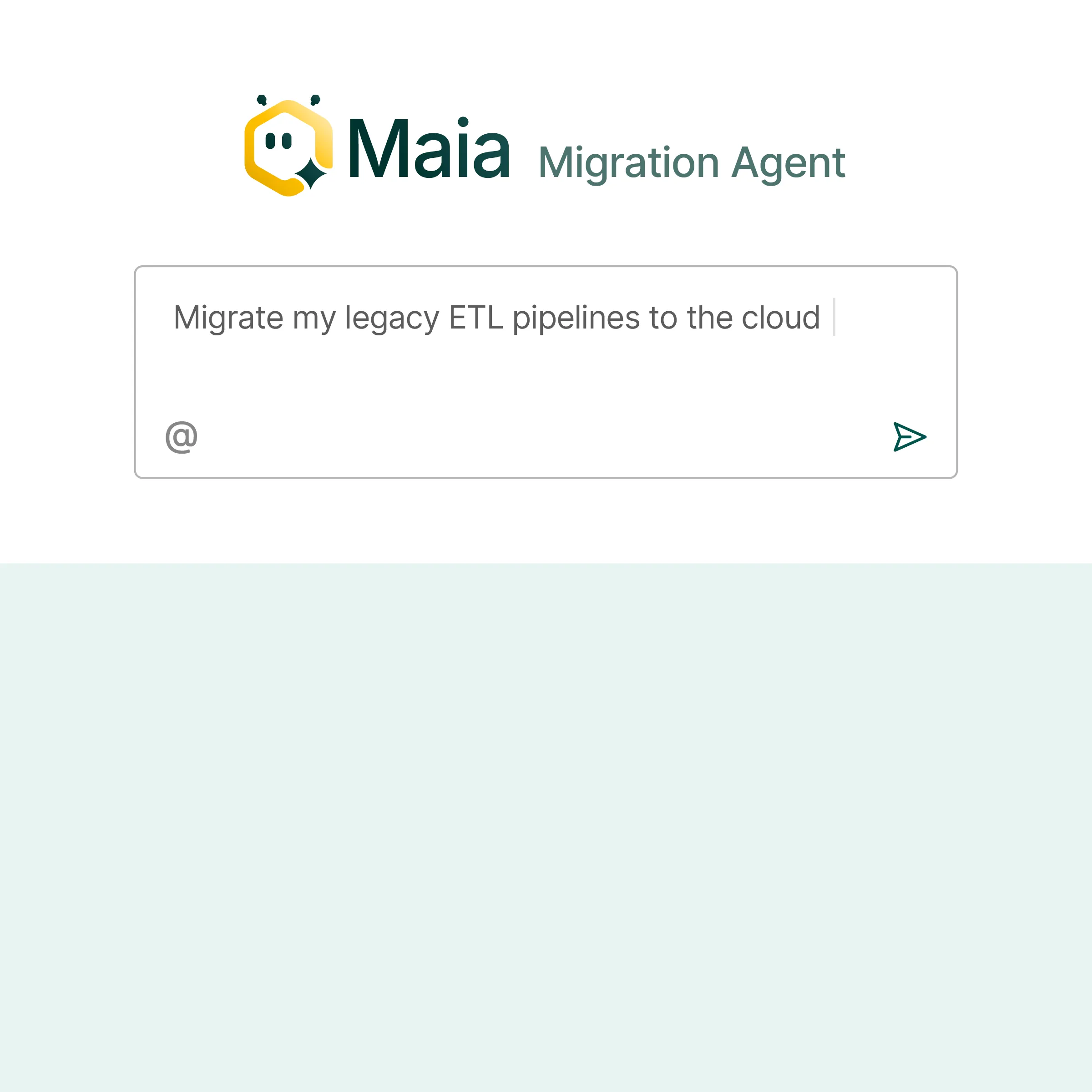
Balfour Beatty’s legacy estate of 1,300 Informatica pipelines was more than technical debt; it was a live cybersecurity liability supporting 800 active reports for finance and procurement. The logic was buried in opaque, decades-old XML files that took a senior engineer a full week to manually reverse-engineer. At that pace, retiring the risk was effectively impossible—until Maia transformed a multi-year manual slog into a realistic six-month automated roadmap.
Maia parsed the opaque XML logic in minutes: work that previously took a senior engineer a full week. Context Files embedded Balfour Beatty's naming conventions and domain standards directly into every prompt, ensuring outputs matched their architecture from the start.
"We’d almost given up hope—we’d started just rewriting SQL to pull in the data and model it ourselves on a case by case basis. This has given us a new hope that we can shortcut that process."
Mark Hume
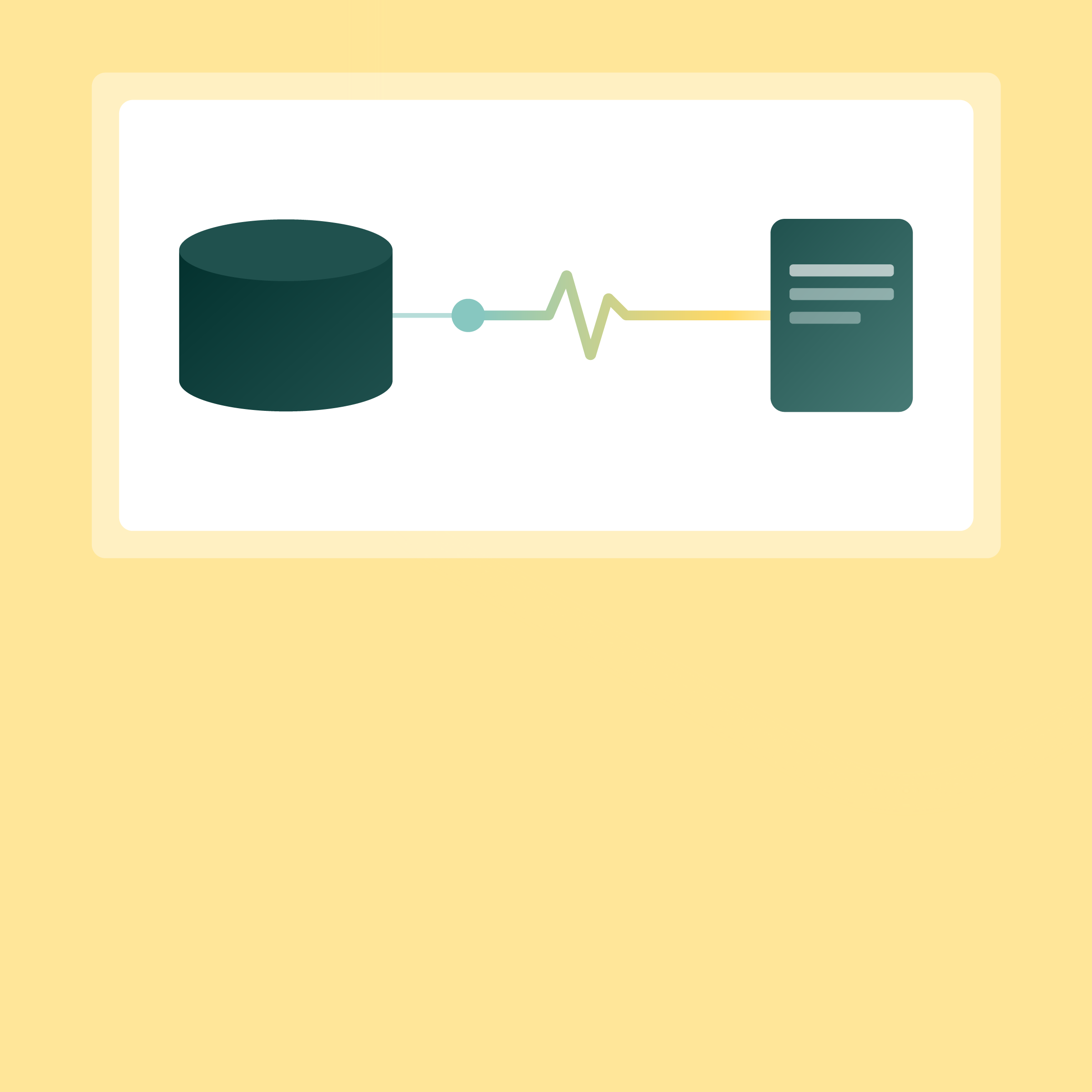
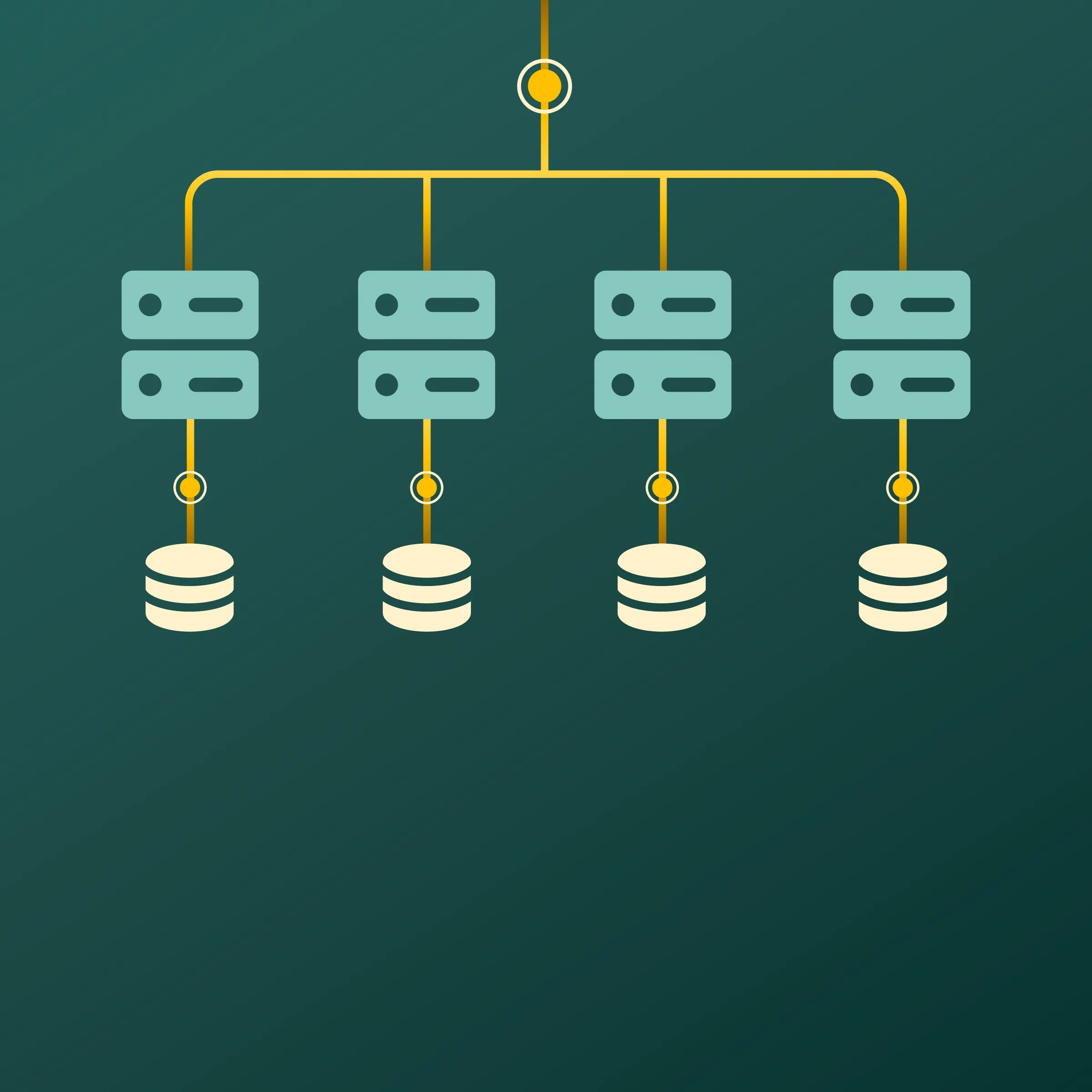
The biggest drain on the team’s capacity wasn’t complex logic, but the volume of routine requests. Ingesting and modeling a standard data source typically required a full day of senior engineering, but warehouse silos and handoffs often stretched delivery to weeks. This meant project managers often received site performance data after the window to act had already closed.
By compressing that cycle, Maia gives the team back the window to act. Using natural language prompts, engineers can now instruct Maia to build the end-to-end pipeline — orchestration and documentation included — in hours rather than weeks of handoffs between teams.
"If that takes me three weeks to build and the early indications are that Maia takes 3 hours... that’s a significant benefit to me, because I can then free up the team’s time to do the strategic transformations, accelerating time-to-value for the business."
Mark Hume
Even when pipelines were functional, Balfour Beatty faced a deeper challenge: the data was "operationally invisible" to the people who needed it. Information arrived in the warehouse labeled by technical source: schema “System A,” schema “System B.” This structure made sense to IT, but was meaningless to a health-and-safety manager or a finance director. For example, a "tickets-per-customer" report had failed because the technical team defined "customer" as an external client, while the business meant an internal colleague.
The result was a constant queue for custom reports and a dependency on the data team that Mark calls the “Black Box”—technically sound, but practically inaccessible.
To break this cycle, Mark's team used Maia's Context Engine to bridge the language gap between IT and the field, teaching it the specific domain vocabulary that IT schemas don't carry. Maia can now distinguish whether a data point is a safety metric, a financial record, or a project-specific KPI.
This creates the “Glass Box”: a tiered, intuitive environment where a finance director sees all finance data across the group, while a project manager sees only their own site's metrics. For Mark, the true "so what" is the cognitive shift that follows when the business can finally see its own reflection.

The three use cases weren't a controlled demo. They were real work: the kind that had been sitting on the backlog for years. Together, they answered the question Mark had when Maia arrived: does this hold up?
The results across all three use cases:
Mark's summary of the proof of concept was direct:
"I was skeptical - so far, it has clearly lived up to what we were promised and has been able to do it”.
Mark Hume
The ultimate goal of this technical acceleration is to flip the 80/20 ratio so the team can focus on Balfour Beatty’s top priority: Safety. With a clean, automated data foundation, the team can move away from retrospective reporting toward proactive site management, predicting and preventing incidents before they happen:
For a company that builds nuclear power stations and high-speed rail, that's not an efficiency gain. It's the point.


.jpg)
.jpg)

.png)


.png)







.png)










.png)




.png)


%20(1).png)
.png)


.png)




.png)
















.webp)






















.jpg)















.png)
.png)
.jpeg)
.png)
.png)
.jpeg)
.png)

.png)
.png)

.png)

.avif)

.jpg)

.jpg)
.png)
.jpeg)