
Data management
made effortless
Enjoy the freedom to do more with Maia on your side.




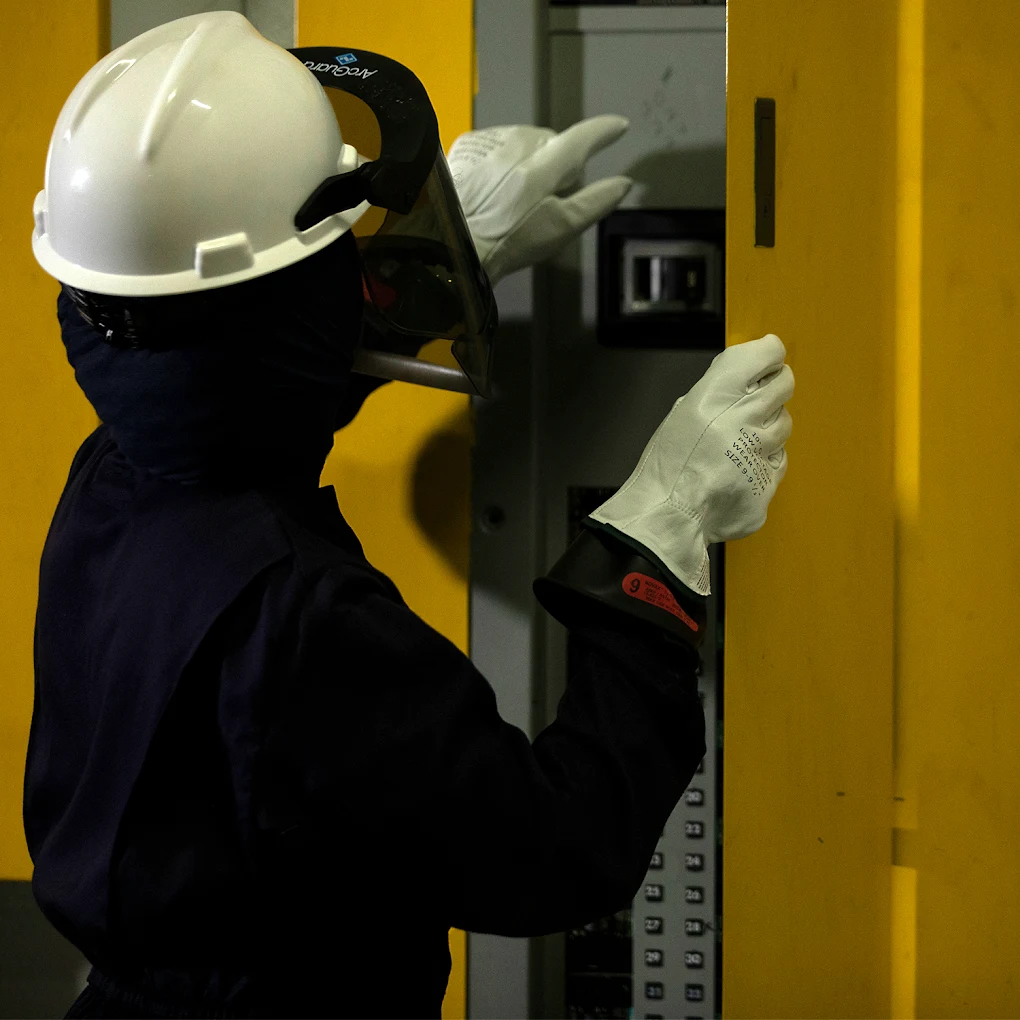
NSA's six-person data and analytics team was built to be the bridge between the business and its data, but its time disappeared into hand-built SQL and Python pipelines instead of the business questions behind them. Each department ran its own reporting and its own version of "the customer," leaving NSA without the governed data its AI plans require.
After resetting around Maia, the team mapped its foundational master tables as a group, then had Maia build the pipelines transforming ERP source data into governed Snowflake tables in two weeks instead of the usual two months, with under three days spent actually building. The reclaimed time now goes to certifying governed data and getting NSA AI-ready.
NSA's data and analytics function is the company's connective tissue, digging into sourcing, supply chain, operations, and sales so every department can perform against that mission of worker safety. Delivering on it means tracking a product's full life cycle: from sourcing, where materials must meet rigorous certification requirements, through manufacturing to keeping the right stock in the right place for the right customers. That visibility didn't exist in any unified way.
The opportunity was structural. Like many growing companies, NSA's reporting evolved over time to support the needs of individual business functions. Teams developed reports, metrics, and processes that were valuable within their areas, and as the business scaled, creating stronger consistency across shared definitions, reporting logic, and data governance became increasingly important. Take a single word like "customer": to finance, it naturally meant the parent company being invoiced (customer sold-to), while to shipping and procurement it meant the child company receiving goods (customer ship-to). Each definition was right for the work that team did, and bringing them into one shared language lets the business answer critical questions, such as whether an order is delayed and why, more consistently and with greater confidence. This next stage of maturity is about building that alignment and structure across the company.
The urgency behind it became personal on a family vacation. Director of Corporate Data and Analytics Jamie Tanner was on spring break, but the questions kept coming. With a small team and no shared foundation yet, he and data engineer Prerak Patel spent the trip working through them remotely. Tanner couldn't fully step away, a feeling many data leaders know well.
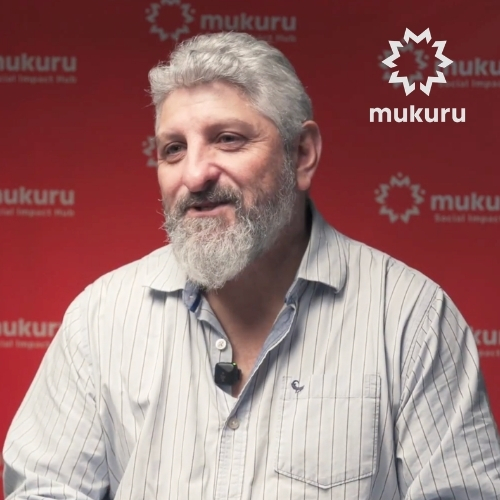
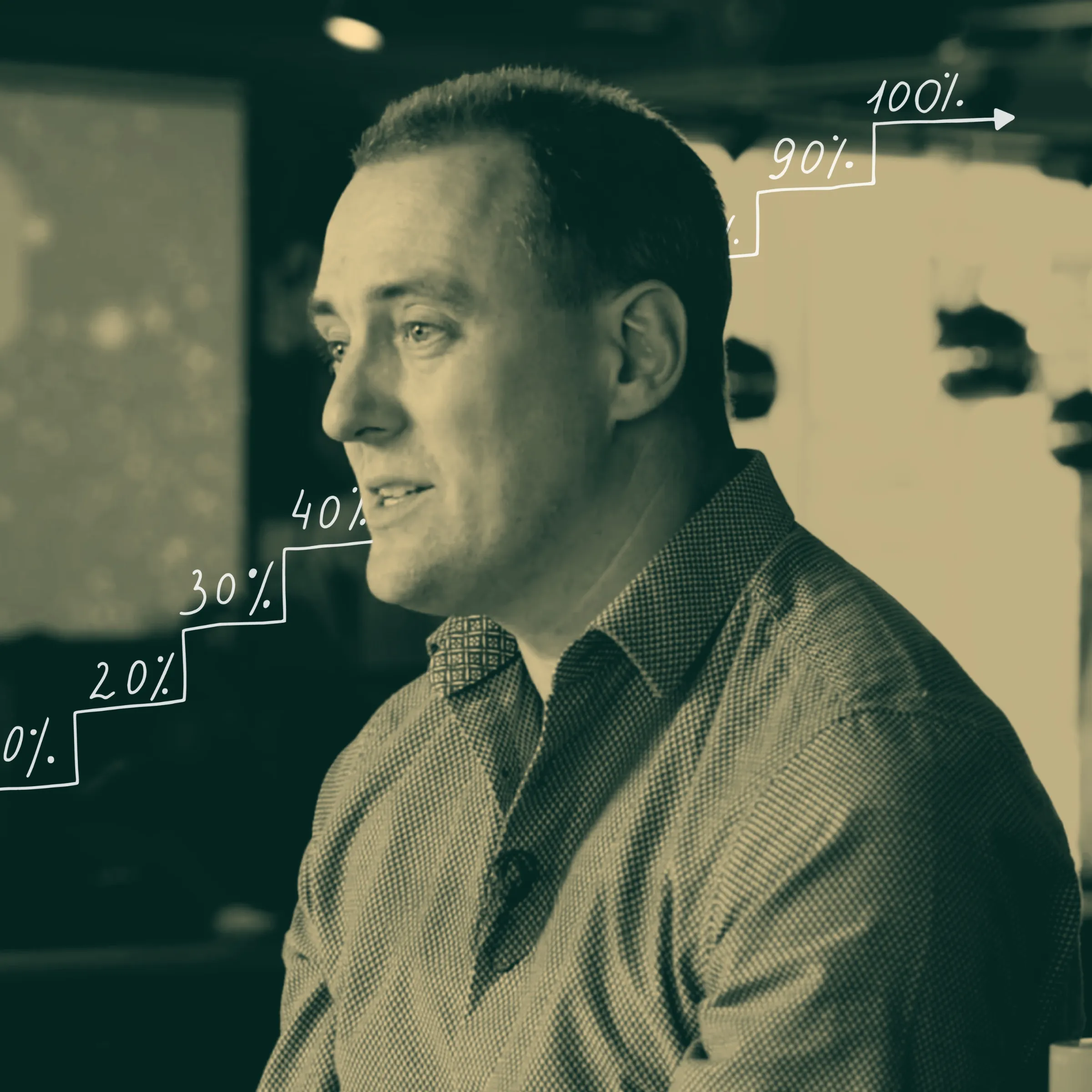
"It allowed me to come back, sit down, and ask: are we really optimized as a team? I got feedback from the entire team, and the answer was no. There had to be a better way." — Jamie Tanner, Director of Corporate Data and Analytics
In April 2026, the team reset around one principle: spend their time understanding the business, not coding pipelines. Before any tool was involved, the work began in Tanner's office, where the whole team sat together for about a week and a half. They mapped the master tables at the cornerstone of the business (customer, product, order, invoice, shop order, and more), documenting every field, what it meant across departments, and a set of normalized names everyone could agree on, all in a single Excel tracker.
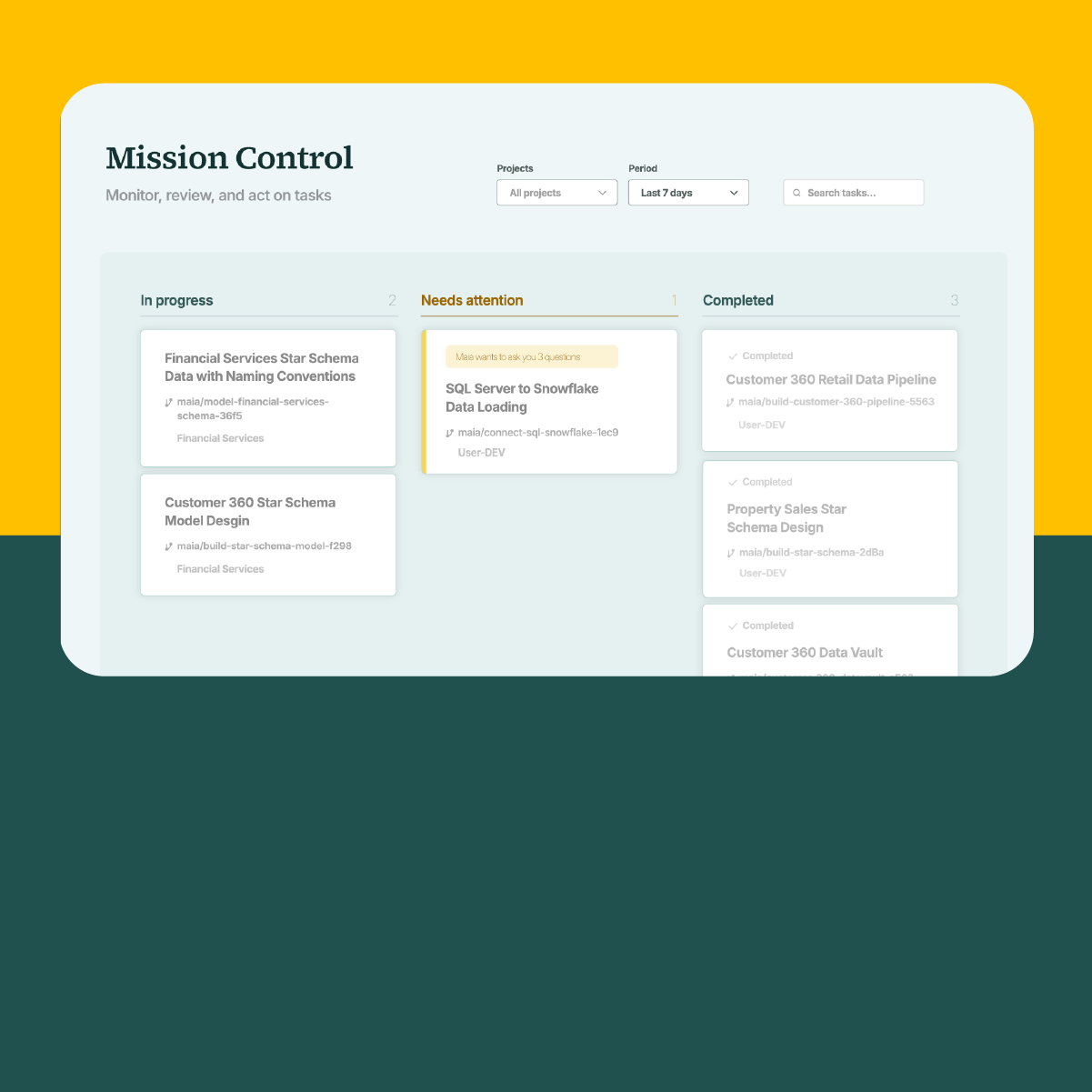
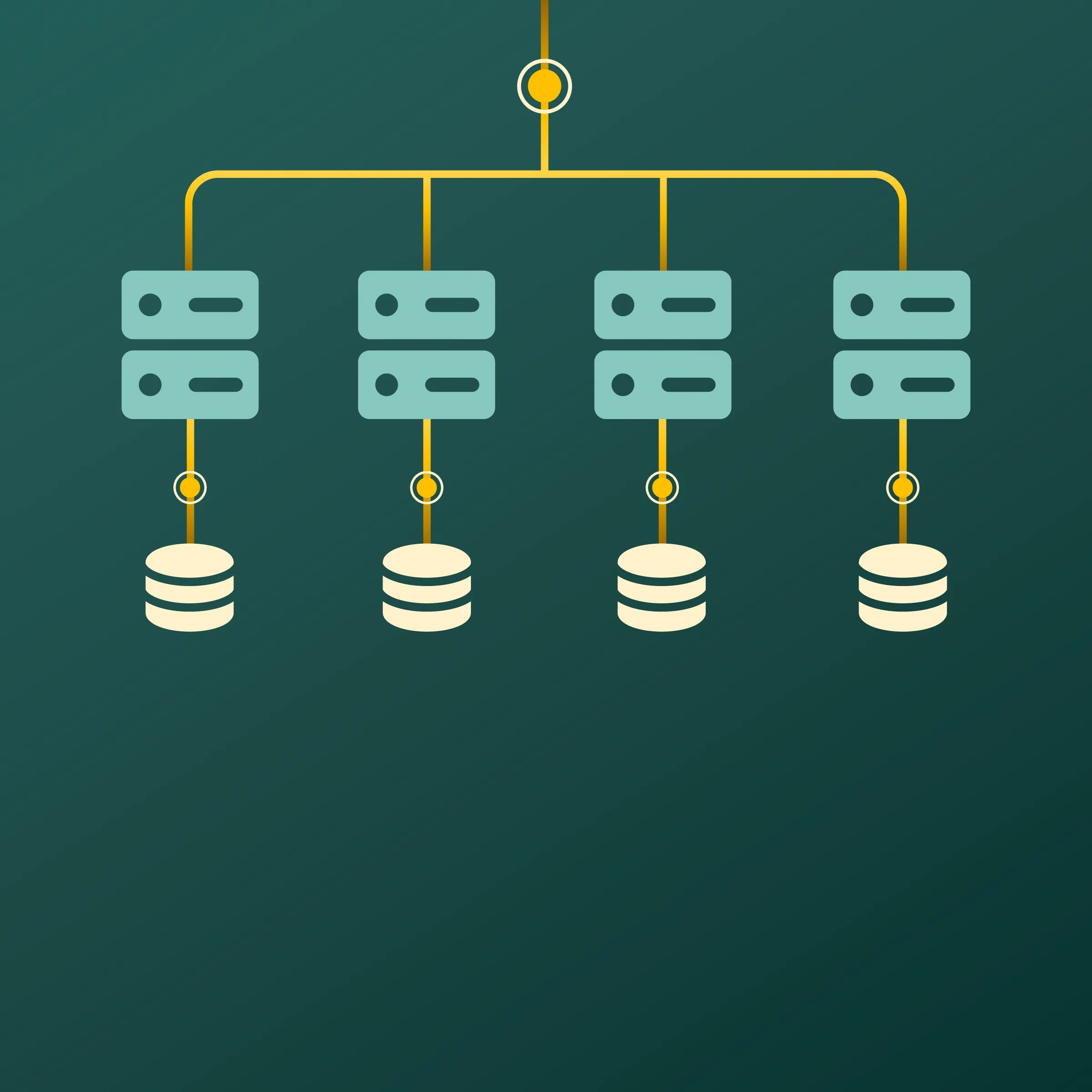
They brought that field-level mapping directly into Maia as context, which generated the pipelines and transformations across NSA's Snowflake medallion architecture, shaping the bronze tables landing from the ERP systems into governed silver tables. Instead of writing orchestration and transformation logic by hand, the engineers reviewed what Maia assembled, made small adjustments, and added business rules to the context for future builds.
For Patel, who came to NSA from an insurance-industry background built on dbt and Snowflake, the shift was about altitude. Version control gave the guardrails to revert anything unintended, and review stayed with the engineers, but the focus moved from technical detail to how a solution serves the wider business.

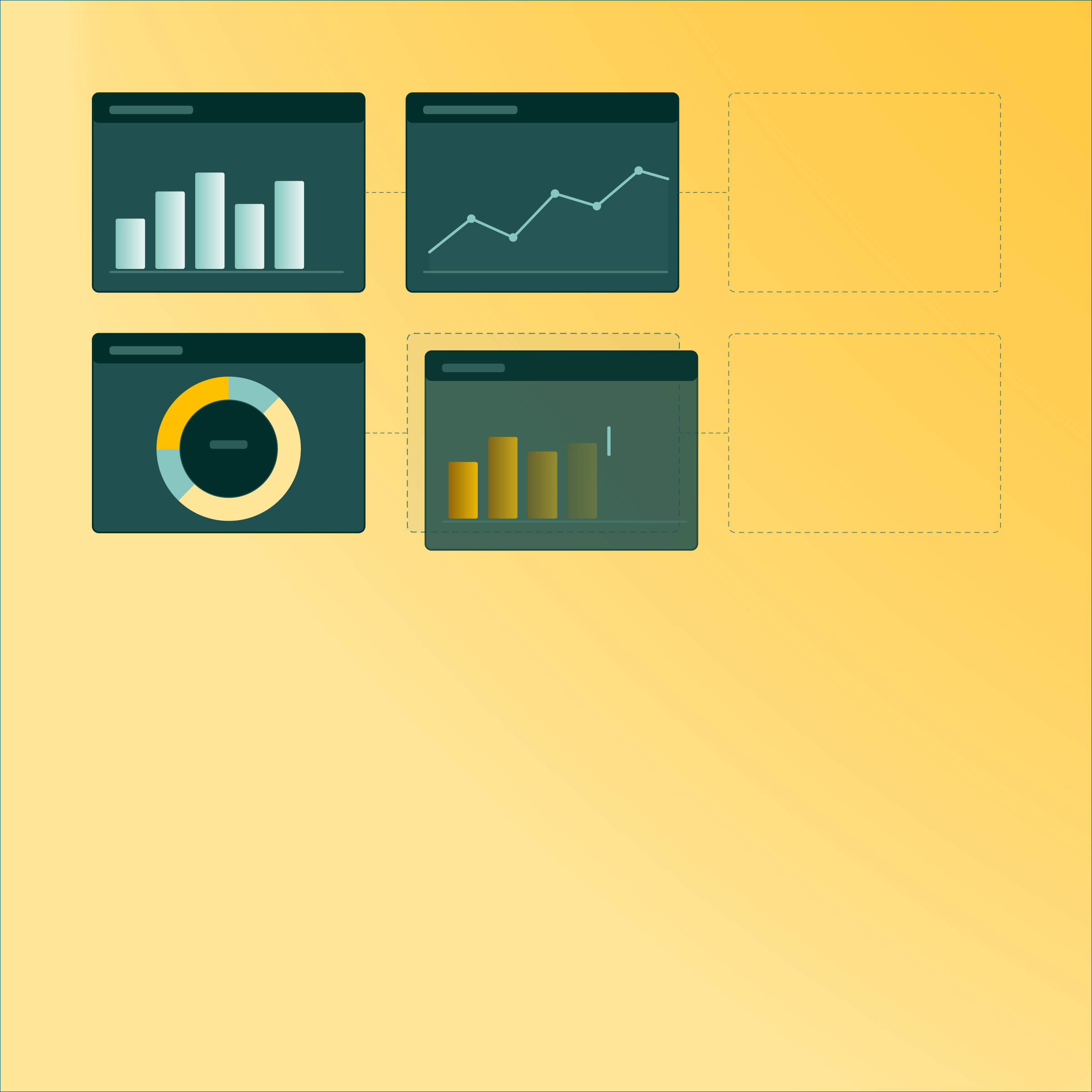
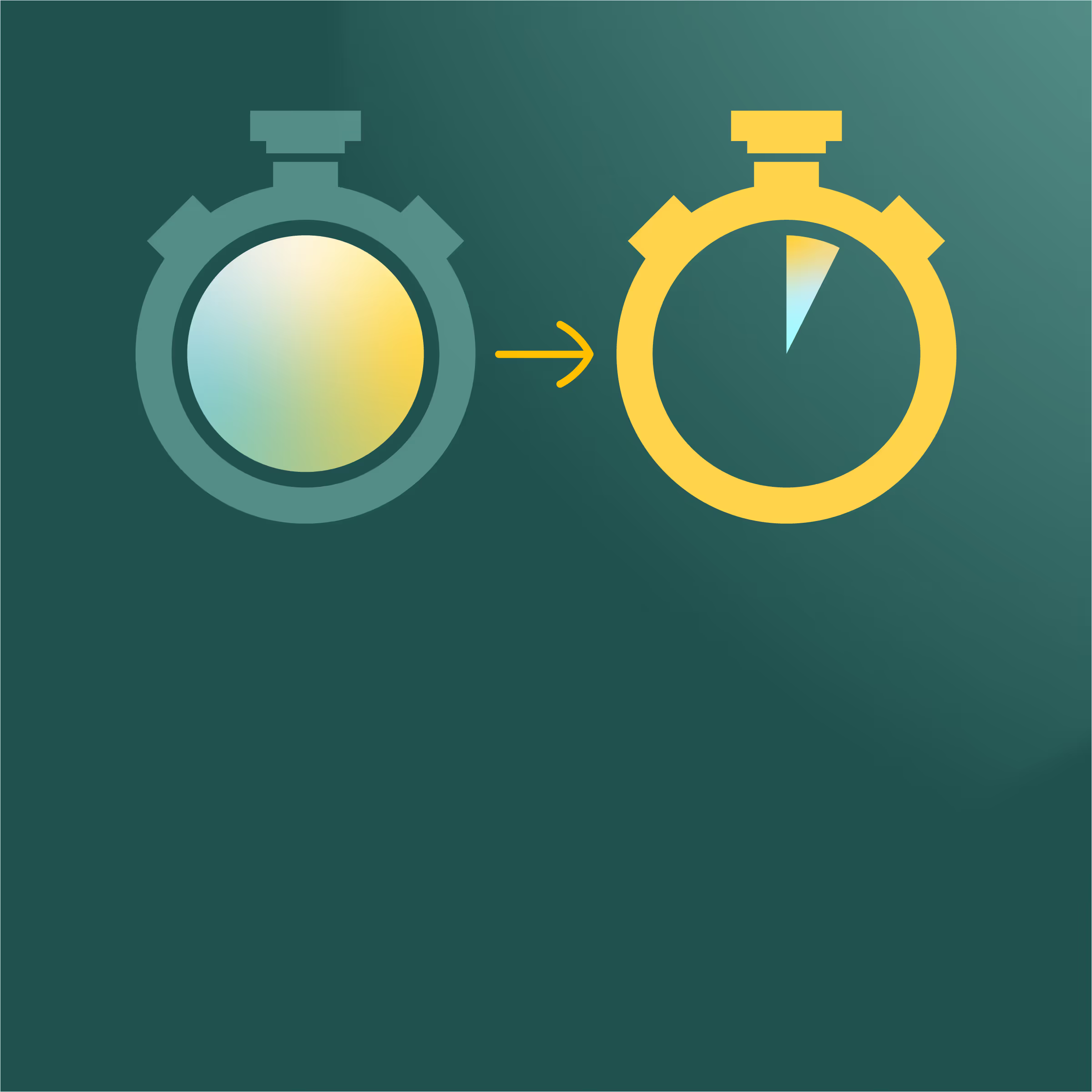
The master-table project that would traditionally have taken about two months was delivered in two weeks. More striking is where the time went: of ten business days, only about three were spent building (roughly a day and a half each from Tanner and Patel), with the rest devoted to understanding the data as a team. The team also found unexpected utility along the way: while QAing a pipeline, Tanner noticed that Maia had generated charts on its own, unprompted by anything in the brief.
The payoff was as much cultural as operational. The team's focus shifted from technical delivery to business expertise; a change Tanner sees as a fundamental redefinition of the role.
"The role of the data engineer changes. We're leveraging the team's cohesive knowledge, which is a massive unlock for NSA and for me personally." — Jamie Tanner, Director of Corporate Data and Analytics
When the team was stood up, its mandate was to keep the lights on: preserve everything without disruption. True AI readiness requires something more strategic: governed, clean, well-modeled data with a complete knowledge layer. As each new data asset is vetted and certified, the old siloed reporting it replaces can finally be retired.
The next phase applies the same method to NSA's operational floor data: map as a team, then build with Maia. The company runs multiple manufacturing locations that have historically calculated similar metrics in different ways, and the team is now empowered to bring that site-level data into the Snowflake warehouse under one framework. From there, Tanner plans to explore Snowflake Cortex inside Maia, moving NSA from descriptive reporting toward cross-functional insights: sourcing-to-customer efficiencies, even product gaps tied to the founding mission.
"As we get those foundational pieces ready, and we know it's been vetted, it's been certified, our teams have looked at it, it's been in the hands of the business, that's when we can really start to unlock the full potential of Maia and of our AI readiness." — Jamie Tanner, Director of Corporate Data and Analytics
That potential is still ahead. But for Tanner, one question is already answered.
"Can you take a lean team like we have, and can you have the output of a bigger team? And the answer is yeah, we've been able to do that. And that's pretty cool." — Jamie Tanner, Director of Corporate Data and Analytics

.jpg)
.jpg)





.png)






.png)




.png)

%20(1).png)
.png)


.png)




.png)














.webp)



















.jpg)







.png)
.png)
.jpeg)
.png)
.png)
.jpeg)
.png)
.png)
.png)
.png)
.avif)

.jpg)

.jpg)
.png)
.jpeg)